
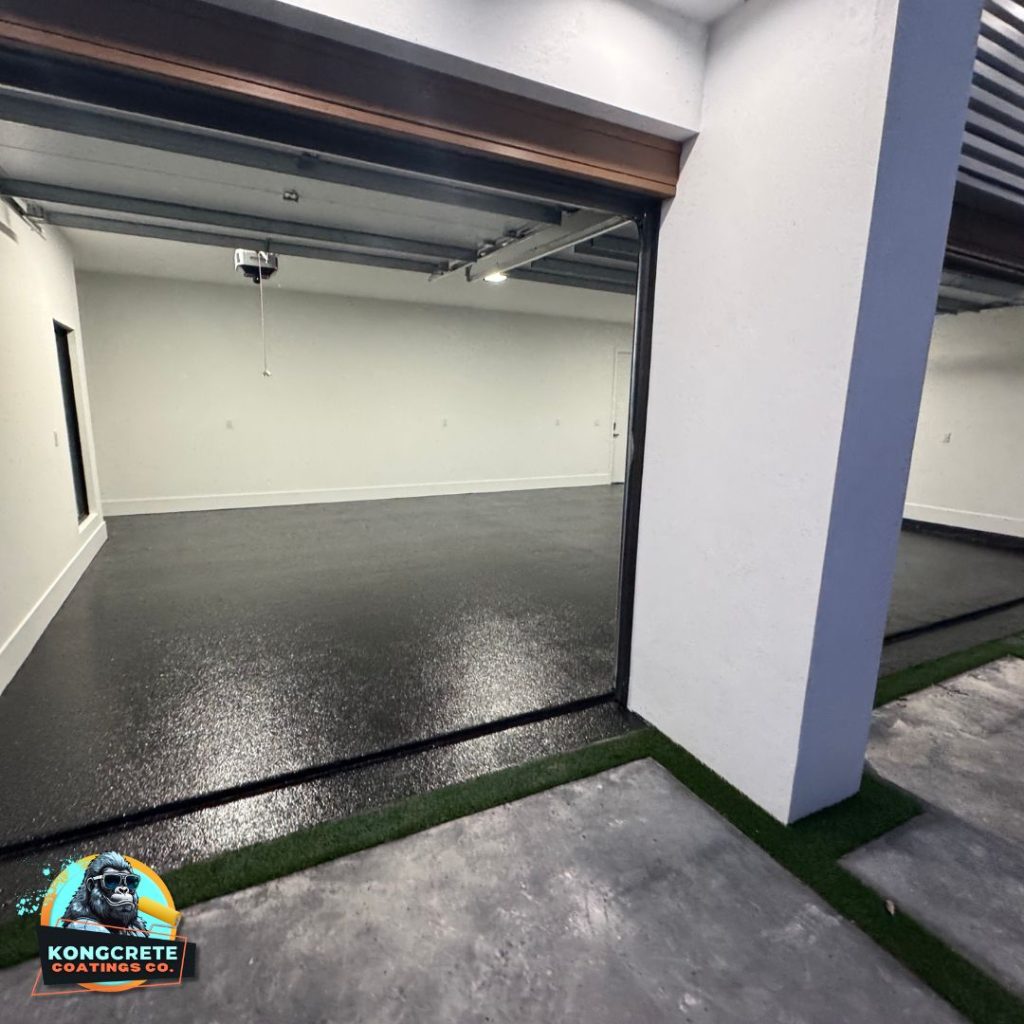
An epoxy floor project can deliver a durable, attractive surface, but its results depend on more than the coating itself. Concrete condition, moisture, surface preparation, product selection, installation conditions, curing, sunlight, and everyday traffic all affect how the finished floor performs.
Homeowners should evaluate these factors before work begins, compare the system with the garage’s actual needs, and clarify preparation, maintenance, and return-to-service requirements. A careful plan can reduce avoidable problems and set realistic expectations for long-term performance in Central Florida.
Understanding Orlando’s Climate: How Humidity and Heat Impact Epoxy Floors
The local climate brings high humidity and summer heat that can affect coating installation and performance. Moisture in the concrete, changing temperatures, and unsuitable application conditions can interfere with adhesion and contribute to defects such as bubbling or peeling. Choosing an epoxy flooring company in Orlando that understands local conditions can help homeowners evaluate these factors before installation begins.
If a garage floor coating is applied when the concrete or surrounding conditions do not meet the product requirements, the finished surface may fail prematurely. Product selection, moisture testing, and installation timing should all reflect the property’s needs.
High temperatures can also shorten working times for some coating products, requiring installers to manage mixing, application, and curing carefully. If these steps are rushed, the finished surface may develop uneven areas or other defects.
Many installation problems occur when crews fail to adjust their methods to changing weather conditions. The installation plan should account for local temperature and humidity when selecting products and scheduling preparation and application.
Projects planned around temperature, moisture, and daily weather conditions have a better chance of delivering reliable performance than those installed without considering the environment. Choosing a suitable coating system and following the manufacturer’s instructions are essential steps toward long-term value.
The Importance of Concrete Moisture Testing Before Epoxy Application
Excess moisture in a concrete slab can undermine garage floor coatings before the project is complete. Concrete moisture testing helps identify conditions beneath the surface that may affect adhesion and the long-term performance of the finished floor.
Moisture moving through a concrete slab can contribute to bubbling, peeling, or loss of adhesion. Testing helps identify potential concerns before coating application so appropriate steps can be considered.
A failed installation can lead to repairs, additional expense, and frustration over the appearance and usability of the garage. Evaluating moisture conditions gives the selected coating system a better chance of performing as intended.
Coatings must be applied to surfaces that meet the product manufacturer’s moisture requirements. Even a well-designed system can fail when moisture conditions fall outside its specified limits.
Some product warranties require moisture testing or documentation before application. Reviewing these requirements in advance can help homeowners understand their responsibilities and avoid preventable warranty complications.
Reliable testing provides useful information about whether the slab is suitable for coating and whether additional preparation or moisture mitigation may be necessary. The results should guide the installation plan rather than relying on the surface’s appearance alone. Ask the installer to document the test method, readings, and applicable product limits so the decision to proceed is based on measured conditions.
Choosing the Right Epoxy Formula for Florida’s Unique Environment
Choosing the right coating system involves more than selecting a color and finish. Heat, direct sunlight, moisture, and regular vehicle traffic all affect how a garage floor performs over time.
Direct sunlight can cause some coating materials to yellow or change appearance over time. Ask about the UV resistance of the complete system, including any protective topcoat, especially in garages exposed to sunlight through open doors. UV resistance should be considered alongside adhesion, abrasion resistance, and the product’s suitability for the intended use.
Moisture moving through concrete can interfere with adhesion when conditions exceed product specifications. Proper testing and a compatible coating system help address these risks before installation begins. If the slab requires moisture mitigation, the proposed solution should be compatible with the primer and coating products being applied.
Polyaspartic flake systems can offer a practical option for garages where homeowners want an attractive finish and a shorter installation timeline. Actual curing and return-to-service times depend on the products used and the conditions during installation. Confirm these details with the installer before scheduling vehicle access.
The right system should reflect the condition of the concrete, the garage’s exposure to sunlight and moisture, and the amount of daily use it receives. Reviewing these factors before installation helps homeowners choose a finish suited to their needs.
Homeowners should also compare the complete system rather than focusing on the topcoat alone. Ask which primer, base coat, decorative flakes if applicable, and protective topcoat are included. Confirm that the selected components are compatible and that the manufacturer permits their use under the expected temperature, moisture, and traffic conditions.
Surface Preparation Mistakes That Lead to Early Epoxy Floor Failure
For a residential garage coating project, treat surface preparation as a central part of the installation plan rather than an afterthought. Before work begins, ask the installer to explain how the concrete will be cleaned, how visible cracks and joints will be addressed, and how the slab will be prepared to receive the coating.
A written preparation checklist can clarify which areas must be repaired or protected before application. Mechanical preparation should create the surface profile required by the selected product, while cleaning should remove dust, oil, grease, and other contaminants that could interfere with adhesion.
When comparing options, ask what preparation is included in the quoted price, which conditions could require additional work, and how the finished floor should be maintained. Confirm the recommended curing period and the requirements for returning vehicles to the garage.
Surface preparation should also account for the existing condition of the concrete. Weak or deteriorated material may need to be removed before the coating is applied. Cracks, joints, and previous repairs should be assessed to determine which treatments are appropriate for the slab and the proposed system.
Oil contamination deserves particular attention because it can penetrate concrete and remain even after the surface appears clean. The installer should identify affected areas and explain how they will be treated before coating begins. Applying a new coating over unresolved contamination can compromise adhesion and increase the likelihood of localized failure.
Dust control is another important step. Fine particles left behind after grinding can interfere with bonding, even when the concrete appears ready for application. The prepared surface should be cleaned and inspected according to the product manufacturer’s instructions.
Homeowners should ask for clarification if the proposed process relies mainly on light cleaning without addressing the concrete profile, contamination, or visible damage. A suitable preparation method should be selected according to the slab’s condition and the coating system’s requirements, rather than applied as a one-size-fits-all approach.
Understanding Proper Curing and Return-to-Service Times
Curing is an important part of the installation process because a coating needs appropriate conditions and sufficient time to develop its intended properties. Allowing the floor to dry to the touch does not necessarily mean it is ready for vehicle traffic.
Temperature, humidity, product chemistry, and application thickness can all affect curing. Some systems allow earlier use than others, but the installer should provide the specific walk-on and vehicle-return times for the products being applied. These instructions should take precedence over a general estimate or a convenient installation schedule.
Returning a vehicle to the garage too soon can place stress on a coating that has not reached the required level of cure. Tire contact, vehicle weight, and steering movements can contribute to marks or pickup if the surface is not ready for use.
Before work begins, ask how long the garage must remain clear and whether temperature or humidity changes could affect the schedule. Make arrangements to park elsewhere if needed, and avoid using the floor until the installer confirms that the manufacturer’s return-to-service requirements have been met.
A clear curing plan helps homeowners understand the practical impact of installation and reduces the temptation to use the garage before the coating is ready.
How Daily Traffic and Maintenance Affect Long-Term Performance
Even a properly installed coating requires suitable care to maintain its appearance and performance. Dirt, grit, road debris, vehicle fluids, and repeated tire contact can gradually affect the surface, particularly in a frequently used garage.
Routine cleaning helps remove abrasive particles before they accumulate. Use cleaning products and methods approved for the installed system, and avoid harsh chemicals or abrasive tools that could damage the finish. Spills should be cleaned promptly according to the product’s care instructions.
Pay attention to areas where vehicles are regularly parked and where tires turn as cars enter or leave the garage. These locations experience repeated contact and may show wear earlier than areas with little traffic. Early changes in appearance do not always indicate coating failure, but lifting, bubbling, or peeling should be assessed before the affected area deteriorates further.
Protective pads or other accessories should only be used when suitable for the installed coating. If the garage is exposed to heavy equipment, unusual loads, or frequent chemical spills, discuss those conditions with the installer before choosing a system.
Ask for written maintenance guidance at handover, including cleaning recommendations, restrictions on chemicals, and signs that warrant an inspection. Following these instructions can help preserve the finish and identify developing problems before they require more extensive repairs.
What Homeowners Should Ask Before Approving an Epoxy Floor Project
Comparing installation proposals requires more than looking at the total price or the expected completion date. Homeowners should understand what each contractor plans to install, how the concrete will be prepared, and which conditions could affect the result.
Before approving a project, ask the installer to explain the following:
Concrete preparation: Which mechanical preparation method will be used, and how will the installer address cracks, weak concrete, oil contamination, and existing coatings?
Moisture evaluation: Which test method will be used, what limits apply to the selected system, and what happens if the results indicate excessive moisture?
Coating specifications: Which primer, base coat, and topcoat will be applied, and are the products compatible with the garage’s conditions and intended use?
Installation conditions: How will temperature and humidity be monitored, and what conditions must be maintained during application and curing?
Return-to-service requirements: When can the floor be walked on, when can vehicles return, and what conditions could extend these timelines?
Warranty and maintenance: What coverage is provided, which exclusions apply, and what cleaning or maintenance practices are required?
Clear answers make it easier to compare proposals on an equivalent basis. If important details are missing, request clarification before signing the agreement rather than relying on assumptions about what the installation includes.
Planning for a 15-20 Year Service Life
Planning for a floor to remain serviceable for 15 to 20 years requires realistic expectations and attention to the complete installation. That timeframe should be treated as a planning goal, not a guaranteed lifespan. Actual performance depends on the concrete, coating system, installation quality, environmental exposure, traffic, and ongoing maintenance.
Start by matching the coating to the garage’s actual conditions. A space with frequent vehicle use, direct sunlight, moisture concerns, or exposure to chemicals may need a different system from a lightly used garage. Product specifications and the condition of the slab should guide the selection.
Next, make sure the installation plan addresses the details that commonly contribute to early failure. These include inadequate mechanical preparation, unresolved contamination, moisture conditions outside product limits, incompatible coating layers, and premature vehicle use. Confirm that the installer will follow the manufacturer’s requirements and document relevant testing and preparation steps.
Maintenance should also be part of the long-term plan. Clean the floor as recommended, address spills promptly, and monitor areas that receive repeated tire contact. If peeling, bubbling, or other unusual changes appear, arrange an assessment to identify the underlying cause before attempting a repair.
Finally, keep the product documentation, installation records, maintenance guidance, and warranty information in a safe place. These records can help establish which materials were used and what requirements apply if a problem develops.
A durable garage floor begins with informed decisions before installation and continues with appropriate care afterward. By evaluating moisture, preparation, product selection, curing, and daily use, homeowners can reduce avoidable risks and make a more informed investment in long-term floor performance.