
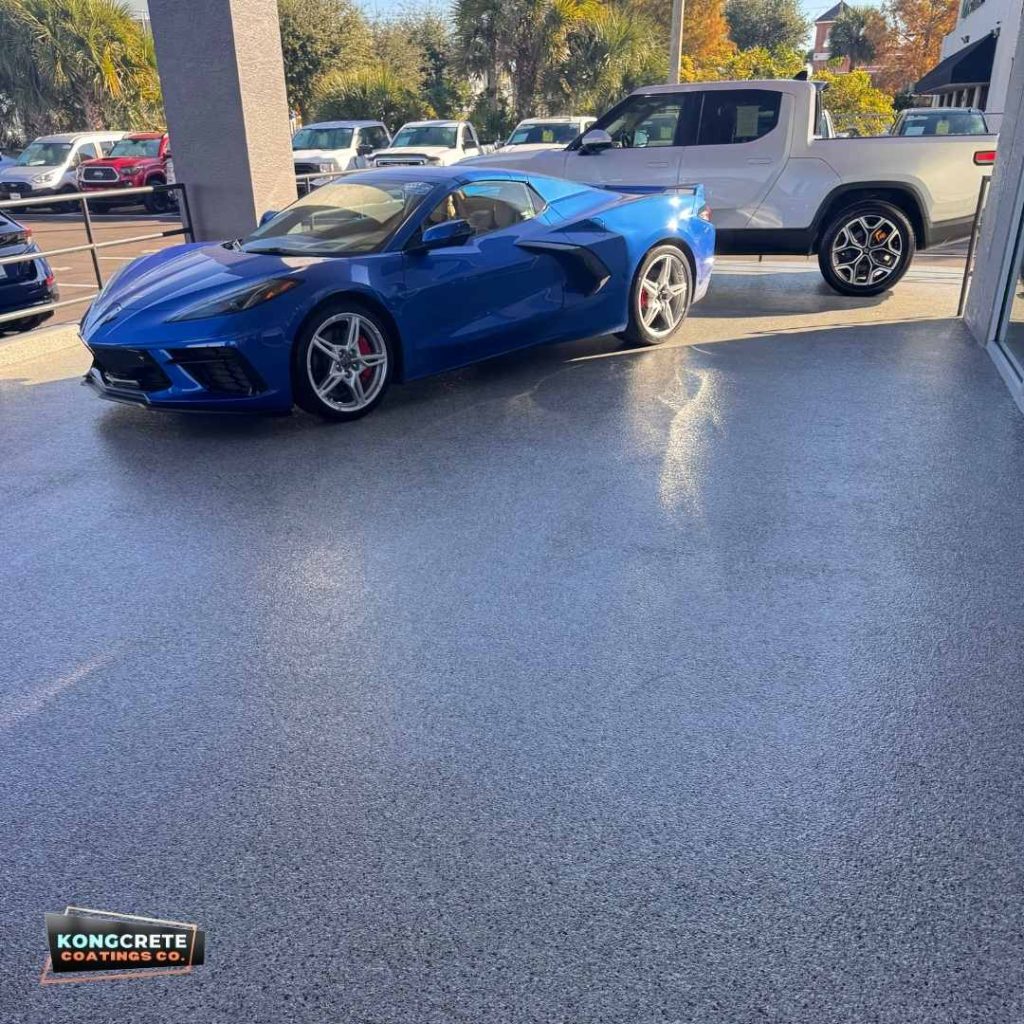
Most floor coating warranties in Orlando protect against two failures: delamination, which is the coating lifting from the concrete, and hot-tire pickup, where tires cause the finish to peel. These warranties do not cover scratches, everyday wear, chemical spills, or slab cracks. Coverage depends on proper installation, surface preparation, and following care instructions. By understanding what a warranty actually covers and how to protect its terms, homeowners can compare installers with confidence and avoid surprises if a claim arises.
Decoding Delamination: What Your Epoxy Warranty Promises in Orlando
Reading an epoxy floor coating warranty in Orlando means looking for clear language about delamination. Delamination is when the coating separates from the concrete slab below. Most real warranties promise to repair or replace the floor only if this bond fails under normal residential use. They do not cover every kind of damage. Instead, a true warranty will name delamination specifically, explain the time period, and detail what actions could void coverage. For example, skipping regular cleaning or using harsh chemicals may end warranty protection, just as a foundation warranty might become void if moisture or structure issues are left unaddressed.
A strong warranty also sets out claim steps and may require proof that the floor was maintained as instructed.
Before signing, compare how each provider spells out these terms. Ask for the exact time window, what “normal use” means, and which activities could void the warranty. Request the process for filing a claim and whether the repair will be a redo, discount, or another solution. Getting these details up front makes it easier to decide which epoxy floor coating Orlando homeowners can truly rely on. For more on installation and warranty care, explore epoxy flooring installation in Orlando.
Hot-Tire Pickup Explained: Will Your Floor Coating Warranty Cover It?
Hot-tire pickup is a common concern for anyone considering a garage floor coating warranty in Orlando.
- A floor coating warranty typically covers hot-tire pickup only if the finish peels or wears away under normal use, not from accidental damage or neglect. As reported by GreenFlooringSupply.com, manufacturers may limit claims to factory-related failures and require that the affected area be significant before honoring a warranty.
- Hot-tire pickup happens when heat and weight from vehicle tires cause the coating to soften, stick, and lift from the concrete. Most warranties will not cover this if it results from improper maintenance, use of harsh chemicals, or failure to follow recommended care instructions.
- To keep coverage valid, always follow care guidelines and avoid exposing the floor to conditions outside the warranty’s terms. This helps ensure the warranty protects against true product failure rather than routine wear or preventable issues.
What Lifetime and 15-Year Labels Really Mean for Homeowners
Big warranty numbers like “lifetime” or “15-year” can sound reassuring, but these terms have limits. Most warranties for garage floor coatings in Orlando only promise coverage for specific product failures, such as delamination or hot-tire pickup, if the coating separates or lifts under normal use. The warranty may not cover common issues like scratches, everyday wear, or surface stains. Many contracts also separate coverage into two parts: one for the product itself and another for the installation.
The manufacturer’s warranty applies if the coating material fails, while the labor warranty addresses problems from the installation process. It is important to read every line of a warranty to know which events are included and what actions might void coverage. A warranty can be voided by simple mistakes, such as using the wrong cleaning product, placing rubber-backed mats, or failing to follow care instructions. Some contracts set conditions on the environment or require approved cleaners and maintenance routines.
If a homeowner files a claim, the provider may review maintenance records or inspect the floor to confirm that all warranty terms were met. Knowing what a “lifetime” or “15-year” label really covers helps homeowners in Orlando avoid frustration and make better decisions when comparing garage floor coating options.
Common Warranty Exclusions: Scratches, Spills, and Everyday Wear
A practical warranty review starts by separating coating failures from damage caused by use, spills, or cleaning.
- Scratches, gouges, dropped tools, dragged items, and ordinary abrasion are commonly excluded because they are treated as surface wear rather than loss of adhesion. Check whether the document distinguishes cosmetic damage from a coating failure before assuming visible marks qualify for repair.
- Chemical spills, oil, tire residue, and staining may also fall outside the warranty, especially when a spill remains on the surface. Cleaning terms deserve equal attention: harsh, abrasive, acidic, or otherwise unapproved products can damage the finish and may give the installer grounds to deny a claim.
- Before choosing or relying on a warranty, ask which products are approved, how quickly spills must be removed, and whether routine parking, walking, storage, or outdoor exposure is excluded. Keep those care instructions with the warranty, because following them helps distinguish an eligible coating failure from damage the contract assigns to the homeowner.
Outdoor Patios vs. Garage Floors: Florida Coating Coverage Differences
Warranty coverage for delamination and hot-tire pickup typically applies to both garage floors and outdoor patios in Florida, but the real differences come from environmental wear. Garage floors are protected from rain, sun, and rapid temperature shifts, so the coating faces fewer elements. Patios and lanais are exposed to UV rays, moisture, and debris year-round, which can cause faster surface wear. Although the bond between the coating and the concrete underneath is still covered by warranty, any fading, discoloration, or surface texture changes due to weather are almost always excluded.
This means most warranties will repair a coating that peels or releases from the slab, but not one that looks dull or feels rough from outdoor use.
Choosing a floor coating system for an outdoor patio in Orlando requires weighing those limits. A warranty will not cover normal aging from sunlight or rain, even if the same bond coverage is offered as in the garage. It is essential to review what is considered “normal use” for each space and ask if extra maintenance is needed. Homeowners comparing options should use this knowledge to set realistic expectations and prioritize products or installers that clearly explain coverage differences for outdoor versus indoor surfaces.
This approach helps avoid surprises if a claim becomes necessary.
Why Proper Surface Prep Matters More Than the Product in Warranty Claims
Choosing a garage floor coating based on warranty protection means looking past the product label and focusing on what actually keeps the warranty intact.
- Proper surface preparation is the most critical step before applying any epoxy or polyaspartic floor coating. If the concrete is not cleaned, profiled, and tested for moisture, even the best product can fail to bond. Blistering, bubbling, or peeling often starts because contaminants or hidden moisture block a strong bond. These failures are rarely caused by the coating formula itself.
- Many garage floor warranty claims get denied when the installer skips grinding, acid etching, or moisture checks. Skipping these steps can leave old coatings, oils, or dust on the slab. When that happens, delamination or hot-tire pickup becomes much more likely, and warranty providers may reject claims if prep steps were missed.
- Even when a floor looks smooth and clean, minor surface flaws can prevent a proper bond. Small cracks, old adhesive, or uneven texture can create weak spots under the coating. Over time, these spots can turn into larger areas of coating failure that are not covered if prep was not done right.
- For Orlando homeowners, asking about surface prep is more valuable than comparing product brands or warranty years. A solid process with grinding, cleaning, and proper patching gives the coating the best chance to last, and keeps the warranty enforceable if repairs are needed down the road.
Slab Cracks and Movement: Understanding Non-Covered Floor Failures
Before treating a coating warranty as protection against slab-related problems, check how the document defines substrate movement, cracking, settling and structural defects.
A coating may peel, split or lift when the concrete beneath it cracks or moves, but warranty treatment depends on the written exclusions and the identified cause. Many warranties distinguish a coating or installation failure from movement in the substrate, so a claim may not apply when the concrete itself is responsible. For an Orlando garage, review the slab for existing cracks and movement before installation, ask how those conditions will be documented and prepared, and confirm whether any repair or crack-bridging work is covered separately.
A careful inspection cannot prevent future structural movement, but it can clarify expectations and reduce disputes about whether a later failure began in the coating or the slab.
How to Document and Submit a Valid Floor Coating Warranty Claim
A valid floor-coating warranty claim depends on matching the observed failure to the written coverage and documenting the condition before it changes.
- Photograph the affected area promptly. Use wide images to show its location and close-ups to show the defect, with good lighting and a visible date when possible. Record when the problem was first noticed and whether it involves coating release, tire-related pickup, cracking, wear, or another condition.
- Gather the installation contract, warranty certificate, maintenance instructions, invoices, and cleaning records. Contact the installer or warranty administrator using the stated procedure, and provide the requested photographs and written description. An inspection may be needed to determine whether the cause is covered preparation or adhesion failure rather than slab movement, ordinary wear, misuse, or improper cleaning.
- Read the exclusions and claim deadlines before assuming a repair or replacement is available. Keep copies of every submission and response, avoid altering the affected area before inspection unless necessary to prevent damage, and ask for the written basis of any denial. These steps help show whether the condition fits the warranty and whether its care requirements were followed.
Transferability: Can Your Warranty Move With Your Orlando Home Sale?
Before relying on a transferable floor-coating warranty in Orlando, verify whether it covers the original purchaser only or permits assignment to a new owner, and check the required timing, paperwork, fees, and any change to the coverage period or remedy. Keep the signed warranty, installation records, care instructions, and proof of purchase with the property documents, then ask the installer for written transfer instructions before closing. A warranty may distinguish between material defects and installation or workmanship obligations, so confirm which party handles a future problem and whether the new owner must complete any formal step to preserve coverage.
A floor coating warranty in Orlando names delamination and hot-tire pickup as the main covered failures, not everyday scratches, spills, or slab cracks. Warranties only promise to repair or replace if the bond between the coating and concrete fails under normal residential use, or if hot tires cause the finish to peel from the surface. Exclusions cover wear, accidental damage, improper cleaning, and substrate movement, so only true product or installation failures count. Reading each term, following care instructions, and documenting issues with photos and records help keep coverage enforceable and claims successful.
This clarity lets Orlando homeowners compare options and set practical expectations before trusting a “lifetime” or “15-year” warranty label.