
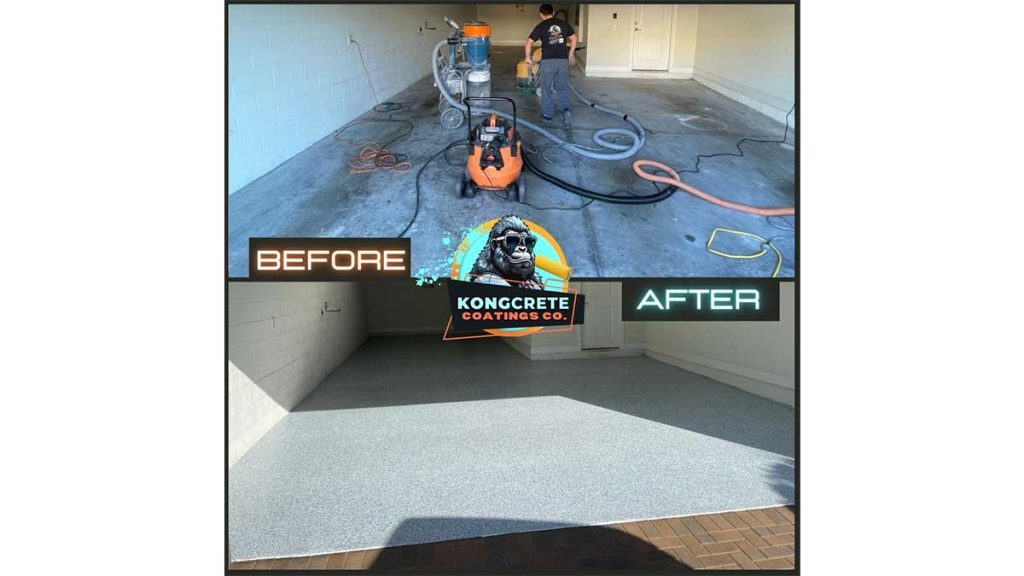
Maintaining a polyaspartic garage floor coating helps your garage stay sleek, durable, and easy to clean year-round. Our advanced systems resist UV rays and stains while handling the moisture conditions common to Central Florida’s climate, but they still require regular attention for peak performance.
Addressing issues early helps extend the life of polyaspartic garage floor coatings while keeping the surface attractive and ready for daily use. Routine inspections can help spot wear before it becomes more costly damage or discoloration.
Start by understanding the ideal cleaning frequency needed for lasting results.
Ideal Cleaning Frequency for Orlando Garages
Cleaning your polyaspartic garage floor coating in Orlando once a week helps maintain its clean appearance and durability. For most homeowners, sweeping or dry mopping takes only five to ten minutes but helps keep abrasive grit from scratching the surface.
Regular gentle cleaning can preserve visual appeal and slip resistance throughout high-use months. If spills occur, such as oil drips, or if muddy footprints appear, it is smart to wipe them up as soon as possible with a pH-neutral cleaner designed for modern concrete coatings.
In practice, biweekly wet washing adds extra protection during rainy seasons when dust, pollen, and sand get tracked inside more often. With routine attention throughout the year, you can protect your investment while keeping maintenance manageable through every busy day spent using your garage.
Weather Impact on Polyaspartic Maintenance
Rainy seasons, high humidity, and frequent sunshine can all affect how you care for polyaspartic garage floor coatings and influence maintenance intervals:
UV Stability Leads to Less Fading Over Time: Polyaspartic flooring is designed to maintain its color with regular exposure to Florida sunlight. This makes UV resistance an important advantage for garages that receive direct sunlight through open doors or windows.
Moisture Resistance Helps During Humid Summers: Florida’s humidity can create challenging conditions for garage floors. Polyaspartic flake floors are designed to resist moisture and remain durable when properly installed and maintained.
Temperature Flexibility Helps Manage Seasonal Changes: Hot days, mild temperatures, and occasional cold snaps can affect flooring materials differently. A properly installed polyaspartic system is designed to handle normal temperature changes while maintaining a durable surface.
Signs Your Coating Needs Reapplication
Spotting early warning signs helps you keep your polyaspartic garage floor coating looking and performing its best. A faded or patchy appearance can indicate that the protective surface is experiencing increased wear or prolonged exposure to sunlight and moisture.
If you discover increased scuffing from tire marks or tools, this can signal that regular use is wearing down the protective surface. Stains can also become more noticeable when spills are left untreated or when the finish has experienced significant wear.
Reduced traction underfoot may indicate that the slip-resistant texture is becoming smoother with age or heavy use. These signs can point to diminishing surface protection, so addressing them early can help prevent more extensive wear.
Quick attention helps ensure your Kongcrete Coatings system continues protecting your garage and maintaining its appearance well beyond installation day.
Routine Inspection Tips for Longevity
It pays to check your garage floor coating for small issues throughout the year. Frequent inspections help keep minor wear from becoming more significant repairs and help maintain a clean, attractive finish.
Examine Surface Regularly: Walk the entire surface once each month, scanning closely for chips, cracks, or areas showing unusual wear.
Check for Moisture Issues: Florida’s humidity can challenge concrete coatings, so look around edges and seams after storms or wet days for signs of moisture intrusion.
Watch High-Traffic Areas: Review areas near vehicles, workbenches, or doorways, since daily use can cause more abrasion in these locations over time.
Inspect Floor Gloss: If you notice dull spots where sunlight comes through windows most often, the surface may be experiencing increased UV exposure or general wear. Addressing these areas early can help prevent more noticeable deterioration.
Stain Removal Timing for Best Results
Stain removal timing can make a big difference in keeping your polyaspartic garage floor coating looking new between maintenance intervals. If you spot oil or other spills during an inspection, address them quickly.
Polyaspartic flake floors resist many common household substances, but they are not completely stain-proof if spills remain on the finish for extended periods.
Instead of harsh cleaners that can affect coatings, use pH-neutral soap with warm water and a soft mop whenever possible. Avoid aggressive scrubbing and unsuitable solvents that may affect the finish.
Swift action is particularly important after heavy storms. Wet surfaces can trap debris, and damp floors may be slippery until they are completely dry through normal air circulation or the use of fans.
How Traffic Influences Maintenance Schedules
High-traffic garages push polyaspartic floor coatings to work harder, which means maintenance intervals may shift based on daily activity. The frequency of vehicles entering the garage, storage use, or active family schedules can all impact how often attention is needed for optimal performance.
Vehicle Count Matters: More vehicles increase contact points and friction across your garage floor coating every day.
Activity Intensity Influences Wear: Workshops with frequent tool use can experience faster surface wear than garages used primarily for parking.
Family Foot Traffic Adds Up: A busy household brings dirt and debris inside regularly, requiring more frequent cleaning in high-use areas.
Continued Durability With Regular Checks: Polyaspartic garage floor coatings are designed for durability, but regular visual inspections and routine cleaning help maintain their appearance and performance over time.
When to Reseal Polyaspartic Coatings
Resealing polyaspartic garage floor coatings may eventually be appropriate depending on daily use, exposure, and the condition of the existing system. Hot tires, dropped tools, repeated spills, and general wear can affect even durable finishes over time.
The appropriate approach depends on the condition of the existing coating and the system installed. Proper surface preparation is essential when additional coating work is needed because the new material must properly bond with the existing surface.
Rather than relying on a fixed schedule alone, we recommend evaluating the floor’s appearance, traction, surface wear, and overall condition. This helps determine when professional maintenance or recoating may be appropriate.
Polyaspartic systems can also offer faster cure times than many traditional flooring systems, helping qualified installers complete projects efficiently while maintaining the quality and durability expected from a professional installation.
Choosing polyaspartic garage floor coatings for your home means enjoying a durable surface with minimal upkeep. We recommend routine maintenance every few months, along with deeper cleaning once or twice a year, to help maintain peak performance and appearance.
We install systems designed to handle Florida’s humidity while providing resistance to stains and UV exposure over the long term. With the right care schedule, your garage floor coating can maintain its finish for years, delivering durability, safety, and a clean appearance that stands up to daily life.