
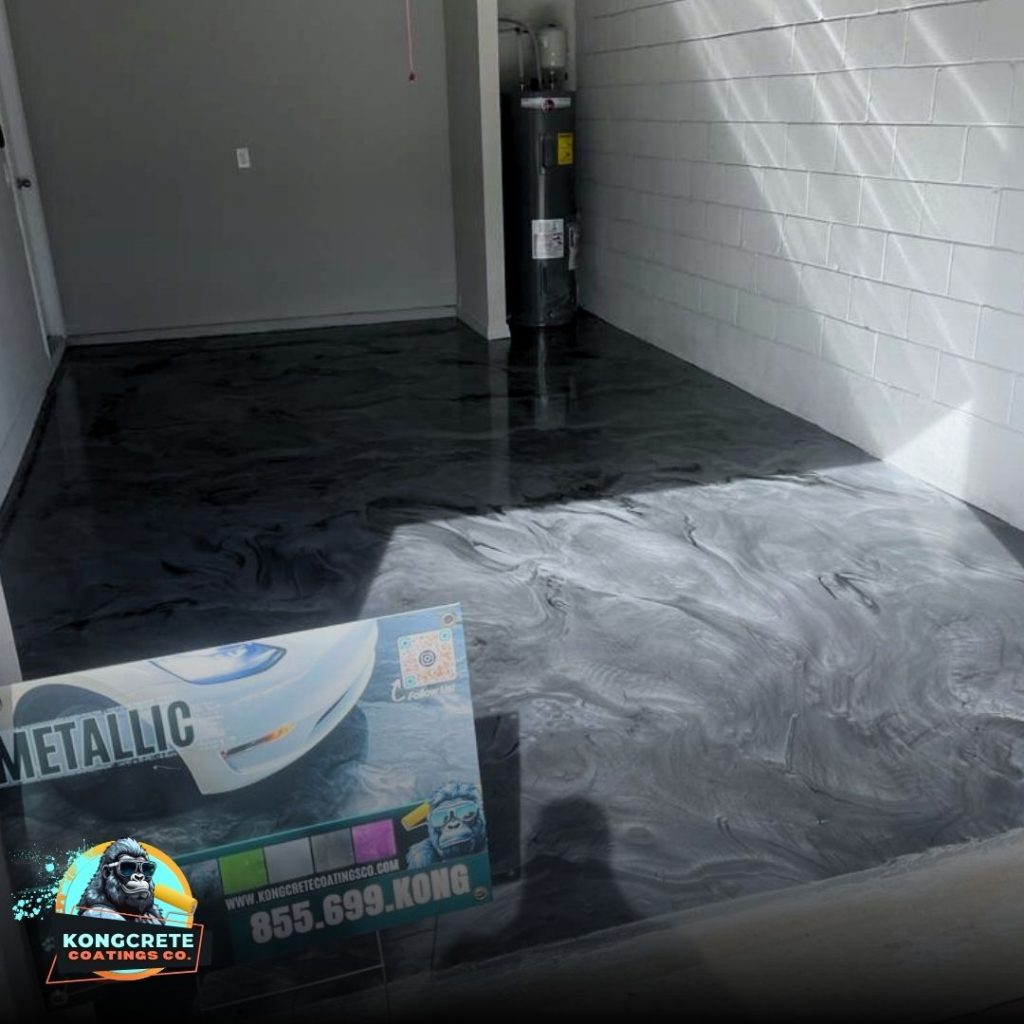
Garage floor coatings in Orlando deliver strong protection, but concentrated pressure from jack stands, floor jacks, and rolling tool chests can still mark even durable systems. The risk comes from how these tools focus heavy loads onto small areas, creating pressure that differs significantly from the broader contact area of car tires.
Using pads or boards under each contact point can help reduce the risk of dents, chips, and scratches. Planning for real workshop use and understanding each coating’s limits helps ensure the floor looks great while handling the demands of regular garage projects.
Why Point Loads Threaten Even Durable Garage Floor Coatings
Point loads from tools such as jack stands, floor jacks, and rolling chests can damage even durable garage floor coatings. The problem is not just the overall weight, but how that weight gets focused onto a small area.
A car’s tires spread the vehicle’s weight over relatively broad patches of rubber. Compare that to a steel jack stand foot that presses a substantial load into just a few square inches. This concentrated force can challenge coatings that handle ordinary rolling loads with ease.
Even well-installed floor coating systems can be at risk when pressure is concentrated like this, especially if the coating is thin, the concrete beneath it is compromised, or the coating has not fully cured. General compressive-strength ratings do not necessarily show how a specific coating system will respond to a small, concentrated contact point.
Instead, localized stress may leave an indentation, chip the coating, or damage the concrete below, depending on the load and floor conditions.
For anyone who uses their garage for vehicle maintenance or heavy storage, this means choosing the right system and using smart protection. A polyaspartic garage floor coating in Orlando offers strong resistance to stains and abrasion, but no coating is immune to damage from sharp or narrow feet under heavy loads.
It is wise to use suitable pads or boards to spread the force under each jack, stand, or toolbox wheel. This simple step reduces the risk of permanent marks and helps keep the garage floor looking its best, even during demanding projects.
Jack Stands: How Small Feet Multiply Pressure on Coated Surfaces
Many garage owners wonder why jack stands mark coated floors so easily when car tires do not. The answer lies in how pressure gets focused and how coatings respond to small, concentrated loads.
Jack stands have narrow steel feet that concentrate substantial weight into just a few square inches. Even durable garage floor coatings can become dented or chipped where these feet press down. The pressure under each foot can be much higher than the pressure created by a tire, which is why marks may appear beneath jack stands.
The thickness and properties of the coating make a difference, but no system is completely immune. A thin or under-cured surface may be more likely to show damage, while a properly installed and fully cured polyaspartic system can offer better resistance, depending on its construction. Protective support under jack stands is still recommended.
Using protective pads or boards under each stand foot spreads out the force, reducing the risk of permanent damage. This simple step helps keep the garage floor looking clean and reduces the likelihood of costly repairs, especially for anyone who plans to use heavy stands or tools regularly.
Floor Jacks and Steel Casters: The Trouble with Narrow Wheels
Floor jacks and steel casters can mark a coated garage floor because narrow wheels concentrate a heavy load into small contact areas. That stress differs from a vehicle resting on broader tire contact patches, and grit trapped beneath a wheel can act like an abrasive.
Sharp, damaged, or seized casters increase the risk of scratches, while rolling heavy equipment over a coating before it has fully cured can leave impressions. Even a well-installed polyaspartic garage floor coating in Orlando is not dent-proof, so a coating’s strength rating should not be treated as a guarantee against every concentrated load.
Spread the load before moving a jack or other heavy rolling equipment. Plywood, Masonite, or a suitable rubber mat can provide a smoother path and reduce direct pressure on the coating, but the pad should be clean, flat, and large enough to support the wheels throughout the movement.
Inspect casters for burrs, embedded grit, and poor rotation, and avoid dragging equipment across the floor. These precautions are especially worthwhile for homeowners who regularly work on vehicles in the garage, because preventing a mark is simpler than repairing a chipped or damaged coating.
Tool Chest Weight: When Rolling Storage Damages Garage Floor Coatings
Tool chests on coated garage floors bring a unique risk because their weight and movement can leave dents or scratches that do not show up with lighter storage solutions.
Heavy tool chests often use small, hard wheels that focus the weight into narrow tracks. When rolled across a coated floor, these wheels can mark the surface, especially if the coating has not fully cured or if the wheels are carrying a heavy load.
Loaded tool chests that are left stationary for long periods may also cause marks or indentations. The pressure from the combined weight of tools and chest is concentrated where the wheels rest on the floor.
Dragging a tool chest, rather than rolling it smoothly, adds more risk. Friction from dragging can cause surface scratching, particularly if grit gets trapped under the wheels or base.
Repeated movement along the same path can create visible wear patterns. Over time, even a durable polyaspartic system may develop dull spots or faint tracks where heavy chests are moved without protection.
Using wider, suitable casters and placing a mat or board under the chest can help distribute the load more evenly. This simple measure helps prevent marks, keeps the coating looking its best, and reduces the need for touch-ups or repairs.
Dropped Tools: Impact versus Abrasion on Garage Floors
Deciding how dropped tools affect garage floor coatings means weighing two different types of damage: sudden impact and abrasion from scraping.
A heavy tool dropped from even a short height can chip or crack the coating. The sharp edge or corner of a wrench or socket concentrates the impact on a small area. This can fracture the surface or, in some cases, damage the bond between the coating and the concrete below. The risk depends on the tool’s weight, drop height, coating construction, and condition.
Abrasion marks happen when a tool is dragged or slid across the floor instead of picked up. This type of damage scratches the surface, dulls the texture, and can leave obvious scuff marks. Grit trapped under a tool or a rough metal edge increases the risk, especially if the coating is still new or has not fully cured.
Impact and abrasion can both leave lasting marks, but their prevention calls for different strategies. Using protective mats in high-use zones can help guard against chips from dropped tools. Picking up tools instead of sliding them and keeping the floor clean reduces the chance of surface scratches or scrapes.
Pad Rules: Simple Protectors to Prevent Scratches and Dents
The right protector depends on whether the load is stationary, rolling, or likely to receive an impact.
Place a rigid, smooth board such as plywood or Masonite under each jack-stand foot. A larger contact area spreads the load and reduces concentrated pressure that can dent, scratch, or mark a cured coating.
Use a suitable rubber pad beneath a floor jack when its wheels or lifting point may bear heavily on one spot. The pad should lie flat, stay clear of debris, and be stable enough to avoid allowing the jack to rock or shift.
For a loaded tool chest, choose clean, smooth casters with enough width for the weight and avoid pivoting the chest in place. A removable board or rubber mat along a regular route can help distribute the load and reduce caster tracks.
Do not place sharp metal edges, damaged wheels, or hard debris directly on the coating. A protector cannot prevent every mark, and dragging a stand, jack, or chest can abrade the surface even when its static weight is safely supported.
These precautions are inexpensive, but they do not make a coated garage floor dent-proof. Orlando homeowners who regularly move heavy equipment should plan pad locations before installation and allow the coating to reach its specified cure before applying concentrated loads.
Cure Times Matter: When Your Coating Can Handle Heavy Loads
Cure time sets an important limit for when a coated garage floor can handle heavy loads without an increased risk of dents or scratches. Even when a polyaspartic or epoxy system dries to the touch within hours, it may need additional time to reach the specified level of cure before supporting the weight of jack stands, loaded floor jacks, or rolling tool chests.
Some systems allow light use within a relatively short period, but concentrated loads or sharp impacts should wait until the coating reaches the cure stage specified by the manufacturer. Placing heavy equipment too soon can leave permanent marks or impressions, and temperature and humidity conditions may affect the curing process.
We recommend following the manufacturer’s cure schedule and planning equipment moves only after the coating has reached the required cure for the intended use.
Timing matters just as much as protection. If a coated garage floor is loaded before it has fully cured, even protective pads may not prevent damage or impressions. Allowing the coating to cure properly helps it develop the performance characteristics intended by the manufacturer.
For homeowners who want both durability and peace of mind, patience after installation is a smart investment. This helps the floor’s surface maintain its appearance and perform well through regular workshop projects.
Summer Heat in Orlando: How Temperature Shifts Affect Coating Performance
Summer brings high temperatures across Orlando, and those conditions can influence how garage floor coatings hold up to heavy tools.
Temperature conditions: Garage floors coated with epoxy or polyaspartic systems can respond differently to temperature changes. Depending on the product, heat may affect surface hardness and how the coating responds to concentrated pressure. This means a floor may be more vulnerable to marks under certain conditions, even after curing.
Surface properties: Coating materials have different levels of flexibility and hardness. Temperature changes can influence how some products respond to pressure, but the effect depends on the coating’s formulation and installation. Orlando’s heat and humidity also make it important to follow the manufacturer’s application and cure requirements.
Long-term durability: Prolonged exposure to heat and sunlight can affect some coatings over time, particularly products without suitable UV protection. Choosing a system designed for the garage’s exposure and intended use can help maintain its appearance and performance in Central Florida’s climate.
Selecting the Right Coating System for Real Workshop Use
Choosing the right garage floor coating means looking at more than just its surface strength. In real workshop settings, the system should balance abrasion resistance, suitability for the expected loads, and the ability to perform under Orlando’s heat and humidity.
A polyaspartic flake system is a popular option for residential garages because it can provide strong resistance to stains, UV exposure, and everyday abrasion. However, no coating is built to withstand every concentrated load from jack stands or loaded tool chests without the possibility of damage.
The thickness of the coating, the number of layers, and the presence of a protective topcoat all influence how well the floor stands up to point loads and dropped tools. Selecting a system with a suitable build and hard-wearing finish helps the floor handle actual workshop and storage needs, not just look attractive.
A real-world workshop in Central Florida brings unique challenges that go beyond a showroom appearance. Even a durable coating system is not immune to marks from heavy, sharp-edged tools or rolling steel casters.
For homeowners who want to work on cars, move heavy tool chests, or use jack stands, it is wise to discuss these needs before installation. This allows the coating system, preparation, and cure schedule to be considered alongside practical measures such as using pads or mats under equipment.
Planning for real use helps ensure the floor not only looks great but also performs under the kinds of loads and impacts that come with regular garage projects.
Jack stands, floor jacks, rolling tool chests, and dropped tools can each mark a coated garage floor for different reasons. Jack stands have small feet that concentrate weight into a tiny area, potentially denting or chipping even durable coatings.
Floor jacks and steel casters focus weight onto narrow wheels, leaving scratches or tracks, especially if grit is present. Tool chests with hard, small wheels can mark the surface, while dropped tools may chip the coating or damage its bond to the concrete.
Cure times and Orlando’s summer conditions can influence how coatings respond to these forces. For practical protection, use suitable pads or boards under heavy or sharp equipment, let coatings reach the manufacturer’s specified cure before heavy use, and plan for the actual tools and loads in the garage.
No system is completely dent-proof, but smart planning and the right polyaspartic garage floor coating in Orlando can help floors stay attractive and durable.